

-

Overview
Third-grade students in SFUSD do, talk, read, and write to figure out how the world works. They engage in one hour of science instruction four times a week, starting with a five-lesson launch unit, then four 22-lesson content units. Alternate with history/social studies units throughout the year.
-
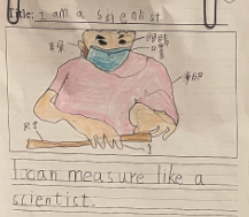
Students begin to develop their science identities and foundational skills in Launch Unit 0, and then build on them and their content knowledge in the life science, physical science, and earth and space science units that follow.
-
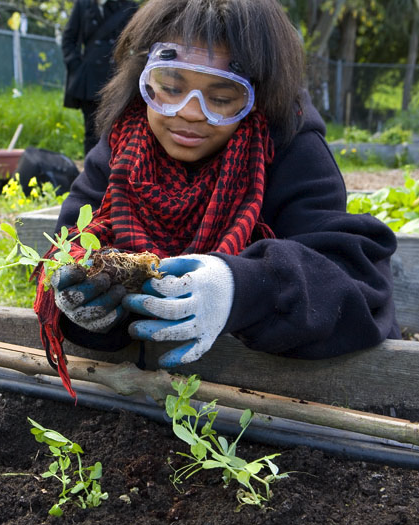
Prioritize using science to model a sense of awe and wonder about the natural and designed world, and guide students to ask questions, design investigations, and use their observations, data, and text to construct explanations and design solutions to problems.
Priority Standards Link to this section
What students will know, what students will do, and what thinking skills students will develop to apply and transfer scientific understandings that endure within the discipline, leverage deeper understandings, and/or support readiness for success at the next grade level. These are the standards that should anchor and drive instruction.
In third grade, focus on these critical areas:
-

What Makes Me a Scientist?
Scientists ask questions, make observations, and record their thinking through drawing and writing in science notebooks.
-
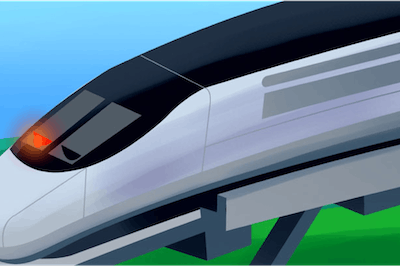
Physical Science: Balancing Forces
Gravity and magnetism are two invisible forces acting all around us.
Forces can be balanced or unbalanced, which affects the motion of an object.
-
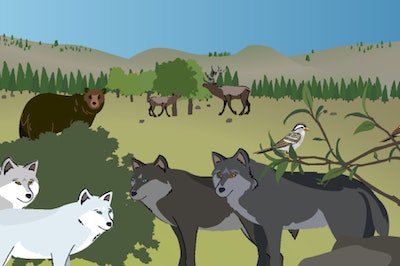
Life Science (A): Inheritance & Traits
Some organism traits are inherited and some result from the environment.
-
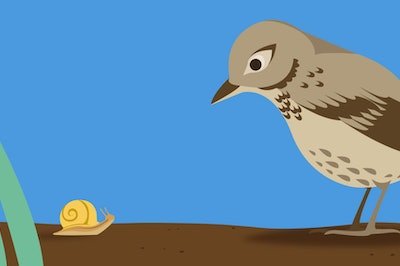
Life Science (B): Environments & Survival
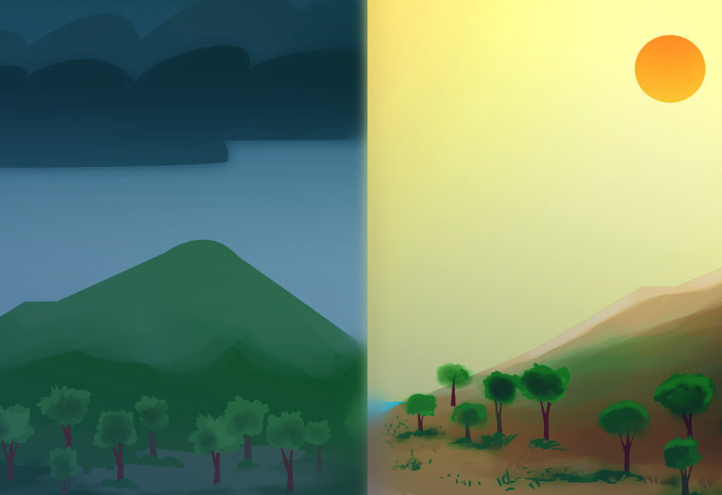
Trait variation among individuals of the same species may help some organisms survive when the environment changes.
-
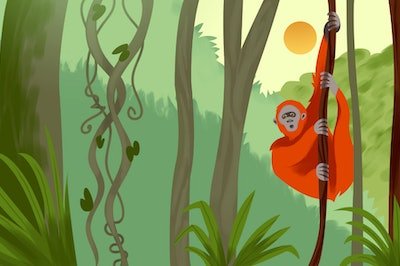
Earth Science: Weather & Climate
Meteorologists record patterns of weather across different times and areas in order to predict the weather in a particular season.
-
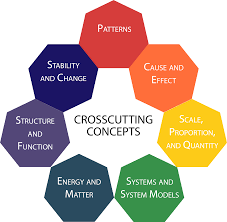
- Stability and Change: What makes an object start to move? (Balancing Forces)
- Cause and Effect: Why are some flamingos pink? (Inheritance and Traits)
- Structure and Function: How could the frog’s long legs help it survive? (Environments & Survival)
- Patterns: Which months have the most precipitation? (Weather & Climate)
Instruction: Signature Elements Link to this section
Below are signature elements of SFUSD Science instruction that students should experience regularly throughout third grade as they develop as scientists.
-

Science Norms
- Mistakes help us grow
- We talk to each other about science
- We can show science and engineering ideas in different ways
-
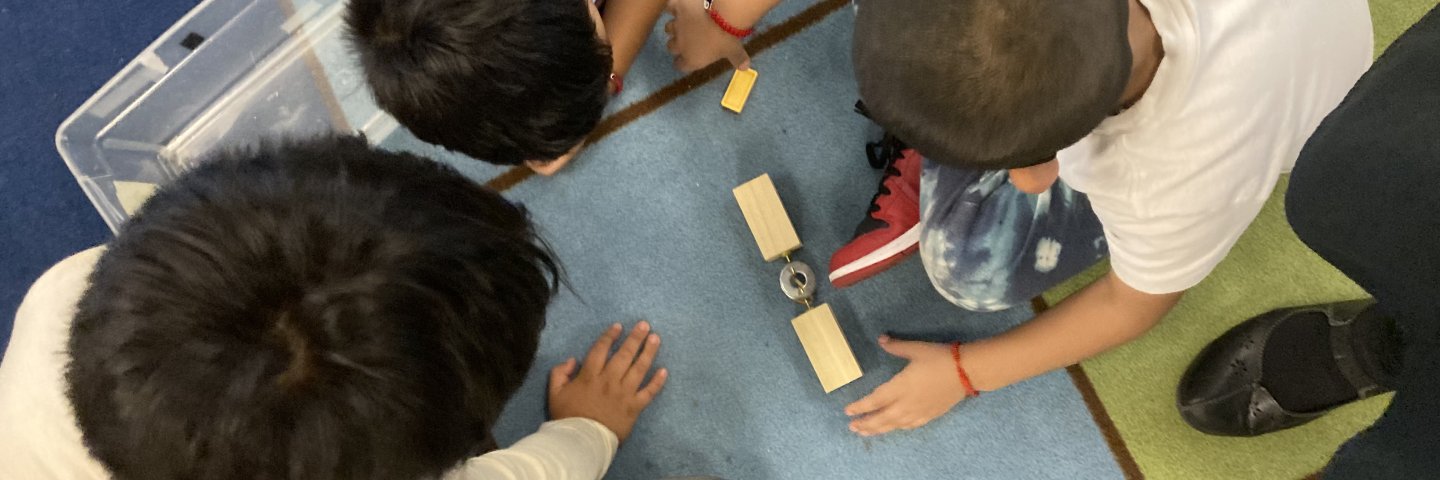
Collaboration
As scientists and engineers, third-grade students work with others while doing science. They carry out investigations, read and talk about science in pairs so that they can construct knowledge and develop language collaboratively.
Materials
Every third-grade classroom has a set of four science kits that are SFUSD curricular materials to teach science. Each kit has:
|
|
|
|
|
|
|
|
|
|


Each kit has: (1) a set of consumable items for student use that will be all used up during the unit. The consumable materials are replaced yearly through a spring ‘Refill Pack’ order process, and (2) a set of permanent items that are the kit's contents that remain with the kit and are only replaced if they are missing or broken. In addition, every classroom teacher has additional essential teaching materials through the Amplify digital platform. The Amplify digital platform can be accessed from the SFUSD Science Portal.
If you are missing anything from the list, please first contact your site administrator or designated support. If they are unable to resolve the issue promptly, please contact Renee Marcy from the SFUSD Science Team.
Budget permitting, the Science Department will replace science materials annually for each kit through an order process. Contact your Science Lead for more information.
If you are missing materials, refer to the Materials FAQ for guidance.
The thirdigrade Science Core Curriculum consists of 3 resources
|
|
|
|
|
|
|
|
|



Units
The opening science unit, Launch Unit 0, is five short lessons that support students to begin to build science identities and to use a science notebook. The four subsequent science units are intended to engage second graders in 45 minutes of science instruction four times a week. Each unit has 22 lessons that follow a single storyline. (Sometimes a lesson may take place over a few days.) Students build on their science identities and expand content knowledge in the life science, physical science, and Earth & space science units. Click on the videos below for a six-minute unit overview, or access the unit resources and documents in the unit links column.
Additional science unit materials and resources are available on the SFUSD Science Portal.
| Unit | Description | Video |
|---|---|---|
|
What Makes Me a Scientist? |
The opening science unit, Launch Unit 0, is five short lessons that support students to begin to build science identities and a science community, and to use a science notebook. | |
|
Balancing Forces |
Students take on the role of consulting scientists to Mayor London Breed. Students learn that floating (mag-lev) trains move faster and produce less pollution than CalTrain. They are tasked with explaining the science behind the “floating” nature of the train to Mayor Breed. | |
|
Inheritance & Traits |
Students play the role of wildlife biologists working in Graystone National Park. They study two wolf packs and are challenged to figure out why Wolf 44, an adopted wolf, has certain traits. Students investigate inherited traits and those that result from the environment to explain how Wolf 44 acquired certain traits. | |
|
Environments & Survival |
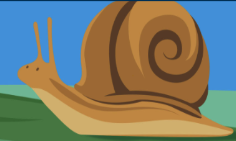
Students take on the role of biomimicry engineers to study how a population of grove snails’ traits influence their survival in a changing environment. | |
|
Weather & Climate |
In the role of meteorologists working for the fictional Wildlife Protection Organization (WPO), students investigate weather patterns as they figure out where to establish an orangutan reserve. |
Planning Guide
The Science Team suggests trying to stay as close to this schedule and teaching science 4 days a week for 45-60 minutes, or teach 5 days a week to allow more time for three alternating History/Social Studies units.
|
|
|
|
|
|
|
|
|
|
|
|
Reflection Questions Link to this section
- How are students' developmental needs, communities, and experiences being reflected and honored, or how could they be?
- What opportunities do you see for developing equitable access & demand, inquiry, collaboration, and assessment for learning?
- What are the implications for your own practice? What strengths can you build upon? What will you do first?
Want More?
Standards
More Resources
- Check out the many resources for each of the Third-Grade Science Units on the SFUSD Science Portal
Contact the Science Team
- Anastasia Pickens - Elementary Science Content Specialist (2-5)
- Claudia Scharff - Elementary Science Content Specialist (K-1)
- Dr. Renée Marcy - Supervisor for Science; phone: (415) 298-8201
This page was last updated on January 31, 2024