

-
Overview
Sedcond-grade students in SFUSD engage in an average of 45 minutes (through both integrated and stand-alone units) of social studies instruction from 4-5 days a week. There will be 3-5 week stand-alone units that alternate with Science units during the year. These units prioritize building an understanding that our extended communities are interconnected.
-

Provide opportunities for students to deepen their self-identity through the exploration of diverse family structures and histories in the greater community including their own. Explore the ways that communities influence each other and the environment through the transportation and exchange of resources. Analyze how different communities (rural, suburban, and urban) influence each other and share resources by examining maps and determining transit routes. Deepen their understanding of the development of laws/policies in the larger community.
-
Examine the ways that individuals can influence larger systems and create change when things are unfair and unjust. Determine ways students can work together to build a better community rooted in the SFUSD Humanizing Values (knowledge of self, solidarity, and self-determination) and core concepts of Ethnic Studies.
Priority Standards Link to this section
What students will know, what students will do, and what thinking skills students will develop to apply and transfer History/Social Studies/Ethnic Studies understandings that endure within the discipline, leverage deeper understandings, and/or support readiness for success at the next grade level.
In second grade, students focus on these critical areas:
-

Our Families: Where We Have Been and Where We Are Going
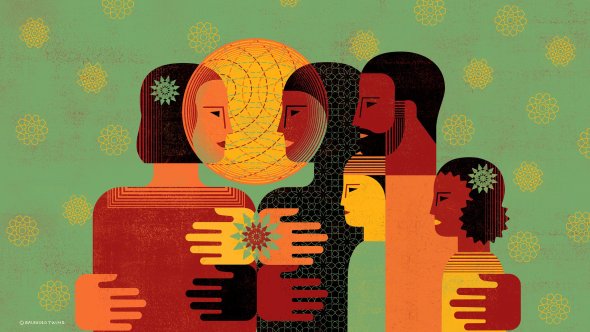
Students explore their family histories and learn more about their location in history. They examine the diversity of families and learn about the lives and historical struggles of their own families and those of their peers. Concepts of immigration are researched through each family’s unique history. Solidarity is developed as students connect with peers by understanding their family’s similarities and differences. Students will also use this unit to look at maps of the country and the world as we explore the places that our families have been throughout our history.
-
California Communities Work Together
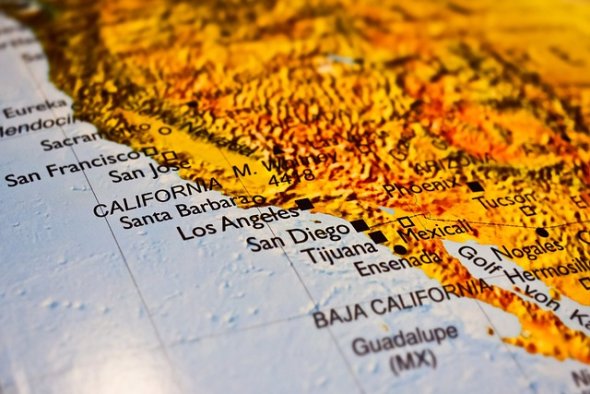
Students will develop an understanding of how both climate and geography affects food production. They will explore the ways that we have altered the land in order to grow and transport food across the state through maps, primary and secondary sources. They will also examine their role as a consumer in the complex economic system in our state through the links between markets, producers and transportation systems. They will analyze the historical power structure between those that work in food production, distribution and consumption through biographies from the farmworker’s movement. They will develop an understanding of the interdependence of rural, suburban and urban communities.
-
Systems, Laws, and Changemakers
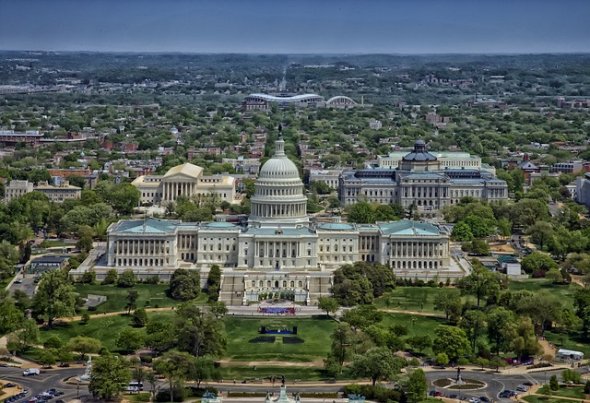
Students will investigate the ways that laws are passed and how they connect to their lives. They will be introduced to the 3 branches of government. Students will delve deeper into how individuals can create, change and take action in their community. They will examine biographical stories of individuals that have taken action in their communities to create or change laws throughout the history of the United States. Students will evaluate different laws or the contributions of individuals to determine what they find historically significant. Students will synthesize what they have learned to reflect on their own values and how they can influence their community at large.
Instruction: Signature Elements Link to this section
Below are signature elements of SFUSD History/Social Studies instruction that students should experience regularly throughout second grade as they develop as historians & social scientists.
Materials
Beyond the 2nd Grade Unit Overview, there are no required materials.
Units
Units for Second-Grade History/Social Studies/Equity Studies are currently in development. See below for guidance and examples of how you might structure your own units. (Click here for the same information below in an easy-to-read format: Overview and Examples for 2nd Grade Units)
Unit Design
Incorporation of the Four Dimensions of the Inquiry Arc Across the Three Bends of a Unit
| Developing Questions and Planning Inquiries | Applying Disciplinary Tools and Concepts | Evaluating Sources and Using Evidence | Communicating Conclusions and Taking Informed Action |
|---|---|---|---|
| A compelling question supported by Investigation questions | Investigate the ideas, tools, and concepts of
|
Gather evidence from reliable sources | Do something with the knowledge and skills acquired |
| Inquiry | Investigation | Informed Action | |
Units
Here are some practical examples. Each class may go on a slightly different path (culturally/community-relevant), but are still likely headed in the same general content-driven direction. Students engage with a compelling question. Students learn more through exploring media (books, videos, etc), interviews, field trips, etc..(historically responsive literacy). Students generate new questions based on what they learned, explore more (inquiry), and eventually and/or during the process create artifacts that represent their learning and/or contribute to their community in some fashion (informed action).
| Unit Title | Inquiry | Possible Investigations | Possible Informed Actions |
|
Do this first:
Our Families: Where We Have Been and Where We Are Going (example) Background article to read before teaching:This article addresses the many ways we can explore the concept of family with children
|
Do this first: Compelling Question: How do our family stories influence who we are and our communities today? This should lead to investigative questions from the students. Here is a possible way to elicit those questions: |
*Be sensitive to family diversity and privacy and respect the wishes of students and parents who prefer not to participate. - CDE Framework, page 48
|
|
|---|---|---|---|
| Unit Title | Inquiry | Possible Investigations | Possible Informed Actions |
| California Communities Work Together (example) |
Compelling Question: How do communities depend on the environment and each other to get what they need? This should lead to investigative questions from the students. Here is a possible way to elicit those questions: |
|
|
| Unit Title | Inquiry | Possible Investigations | Possible Informed Actions |
|
Systems, Laws and Changemakers (example) |
Compelling Question: How can we participate and work to change things in our community for the better? This should lead to investigative questions from the students. Here is a possible way to elicit those questions: |
|
|
Planning Guide
Many elements of second-grade History/Social Studies can and should be integrated across the day and year. That being said, three periods of roughly five weeks are set aside each trimester for more intensive History/Social Studies learning. Through these units, Second-grade students will learn ...
| 1st Trimester | 2nd Trimester | 3rd Trimester |
|---|---|---|
| Our Families: Where We Have Been and Where We Are Going | California Communities Work Together | Systems, Laws and Changemakers |
| ~5 weeks of 4 lessons per week | ~5 weeks of 4 lessons per week | ~5 weeks of 4 lessons per week |
Reflection Questions Link to this section
- How are students' developmental needs, communities, and experiences being reflected and honored, or how could they be?
- What opportunities do you see for developing equitable access & demand, inquiry, collaboration, and assessment for learning?
- What are the implications for your own practice? What strengths can you build upon? What will you do first?
Want More?
This page was last updated on August 21, 2023