

-

Overview
Fourth-grade students in SFUSD engage in an average of 45 minutes (through both integrated and stand-alone units) of social studies instruction from 4-5 days a week. There will be 3-5 week stand-alone units that alternate with Science units during the year. Students in 4th grade are becoming more aware of the complexities that exist in the world around them. They are reflecting on their place in the world and how the actions of those in the past still impact our present day.
Priority Standards Link to this section
What students will know, what students will do, and what thinking skills students will develop to apply and transfer History/Social Studies understandings that endure within the discipline, leverage deeper understandings, and/or support readiness for success at the next grade level.
In fourth grade, students focus on these critical areas:
-

California Indian Unit presented by SFUSD's Indian Education Program
California Indian Unit - This unit was made as a 4th grade unit, but covers the CA HSS standards for 3rd grade. The focus of this unit is the Ohlone people who have never ceded the land that is now known as San Francisco. We are using this unit as we adopt/adapt new HSS curriculum for our district. Any questions regarding this unit should be addressed to:
MaryHelen Sherman at shermanm1@sfusd.edu
Our History/Social Studies Team has also included additional resources about other California Indian groups across the state if needed. -
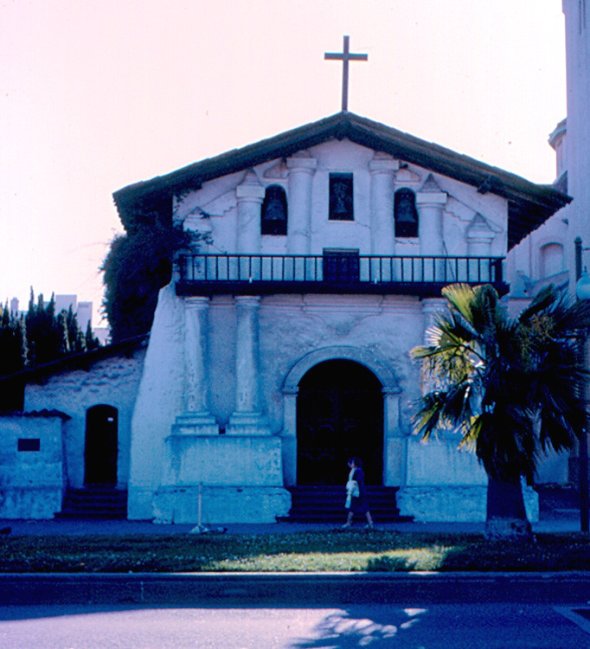
Colonization and Conflict Changes California (Example)
Students explore the story of how the invasion and colonization from Spain changed California forever. Students begin to examine timelines and how they can both tell and silence events in history. Students investigate how California’s landscape and natural resources made it attractive to European invaders. Students research why Spain chose to colonize and create Missions in California. Students further investigate and discuss the lasting effects of colonization on the land and indigenous people of California as Spain lost control and the Mexican Rancho system took over.
-
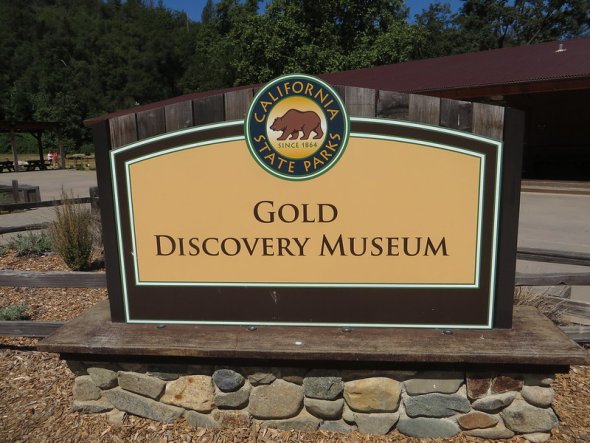
The Gold Rush: Continued Colonization and Immigration Leads to Statehood (Example
Students explore the events of the Gold rush and the impact it had on the people and the land. Students investigate the Chinese experience during the Gold rush and how it impacted their rights for decades. Students also look at the Gold Rush from several perspectives to try to gain a better understanding through the use of primary sources. Students are also learning how to evaluate and analyze different sources.
Instruction: Signature Elements Link to this section
Below are signature elements of SFUSD History/Social Studies instruction that students should experience regularly throughout fourth grade as they develop as historians & social scientists.
Materials
Beyond the Fourth-Grade Unit Overview, there are no required materials.
Units
Units for Fourth-Grade History/Social Studies/Equity Studies are currently in development. See below for guidance and examples of how you might structure your own units. (Click here for the same information below in an easy-to-read format: Overview and Examples for 4th Grade Units)
Unit Design
Incorporation of the Four Dimensions of the Inquiry Arc Across the Three Bends of a Unit
| Developing Questions and Planning Inquiries | Applying Disciplinary Tools and Concepts | Evaluating Sources and Using Evidence | Communicating Conclusions and Taking Informed Action |
|---|---|---|---|
| A compelling question supported by Investigation questions | Investigate the ideas, tools, and concepts of
| Gather evidence from reliable sources | Do something with the knowledge and skills acquired |
| Inquiry | Investigation | Informed Action | |
Units
Here are some practical examples. Each class may go on a slightly different path (culturally/community-relevant), but are still likely headed in the same general content-driven direction. Students engage with a compelling question. Students learn more through exploring media (books, videos, etc), interviews, field trips, etc..(historically responsive literacy). Students generate new questions based on what they learned, explore more (inquiry), and eventually and/or during the process create artifacts that represent their learning and/or contribute to their community in some fashion (informed action).
| **Unit 1: 4th Grade California Indian Unit As per SFUSD Resolution No. 211-26A1 In Support of Reclaiming the American Indian/Alaskan Native Narrative This 4th-grade unit is presented by the Indian Education Program as per SFUSD Resolution No. 211-26A1 | ||
| Inquiry | Possible Investigations | Possible Informed Actions |
Do this first:
Compelling Question: What should we know about the California Indians who continue to live on the California land that we occupy?
Take a look at this group of California Maps: California language maps Participate in a See Think Wonder to generate investigative supporting questions | Do this first:
4th Grade California Indian Guide presented by Indian Education Program THIS UNIT IS WRITTEN AND PRESENTED IN PARTNERSHIP WITH THE INDIAN EDUCATION PROGRAM AS PER SFUSD RESOLUTION 211-26A1
Questions regarding this unit should be referred to MaryHelen Sherman Shermanm1@sfusd.edu
Additional Ideas
|
|
| Unit 2: Colonization and Conflict Changes California Read this article if you want to understand why we DO NOT BUILD MISSION MODELS | ||
| Inquiry | Possible Investigations | Possible Informed Actions |
Compelling Question: How can we help tell the story of colonization in California?
This should lead to investigative questions from the students. Here is a possible way to elicit those questions: | TIMELINES
LAND AND POWER
LAND USE
|
|
| Inquiry | Possible Investigations | Possible Informed Actions |
Compelling Question: xxx This should lead to investigative questions from the students. Here is a possible way to elicit those questions: |
| |

Planning Guide
Many elements of fourth-grade History/Social Studies can and should be integrated across the day and year. That being said, three periods of roughly five weeks are set aside each trimester for more intensive History/Social Studies learning. Through these units, Fourth-grade students will learn ...
| 1st Trimester | 2nd Trimester | 3rd Trimester |
|---|---|---|
| Unit Title | Unit Title | Unit Title |
| ~x weeks of y lessons per week | ~x weeks of y lessons per week | ~x weeks of y lessons per week |
Reflection Questions Link to this section
- How are students' developmental needs, communities, and experiences being reflected and honored, or how could they be?
- What opportunities do you see for developing equitable access & demand, inquiry, collaboration, and assessment for learning?
- What are the implications for your own practice? What strengths can you build upon? What will you do first?
Want More?
This page was last updated on November 20, 2024