

Welcome Link to this section
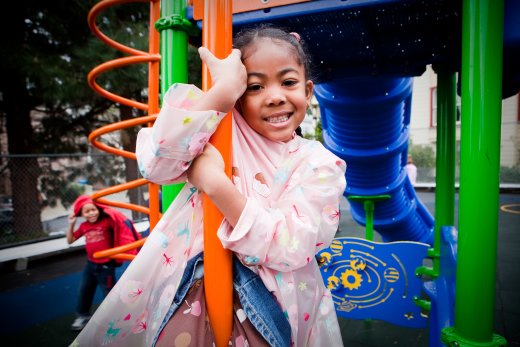
This SFUSD TK instructional guidance is organized into four sections: Culture of Learning, Academic Ownership, Essential Content, and Demonstration of Learning. We recommend you explore the four sections so you have a sense of what is available here and then focus on the Culture of Learning section for the start of the year. There you will find guidance on the development of 4, and 5-year-olds, setting up your classroom, building family partnerships, and launching the school year. For content-specific guidance go to Essential Content.
Our intention here is to provide an overview of TK instruction and make the information easily accessible. It is not a scripted manual - TK instruction is more complex and nuanced than these pages alone can illustrate. Still, there is a lot of information here that we believe will be supportive. Please do not feel compelled to dive into this website all at once. Please use it as a resource throughout the year as needed. This guide is one piece of the puzzle; your partnerships with students, fellow teachers, coaches, families, administrators, sites, and departments are all essential to supporting you in creating a learning environment where every day we provide each and every student with the quality instruction and equitable support required to thrive.
In partnership,
The Instructional Guidance Team
Student Centered TK
Link to this section

TK students as 4 and 5 year olds, come to us ready for everything. They are explorers and adventurers who are socking up the world of knowledge with incredible speed. They throw themselves into nearly every activity with enthusiasm and a sense of purpose.

Four-year-olds are flexible, exciting, and creative humans who love to exaggerate and engage in imaginative play. A four-year-old's story about an adventure she had with an imaginary friend may puzzle adults but delight the four-year-old. This play is critical for the development of fours' understanding of right and wrong, early application of social rules, and manners. They sometimes can seem "bossy" (particularly with their real and imaginary friends), but this assertiveness is positive rehearsal for learning acceptable limits and how to be a real friend and helper.

Five-year-olds take in the world through their senses. They see, smell, touch, hear, and taste just about everything – one thing after another, but only one thing at a time. They’ll squat down quietly to watch that butterfly for as long as it pauses in flight. Learning is at its best for fives when it is both structured and exploratory: structured through a clear and predictable schedule, exploratory through carefully constructed areas where they can initiate their own active discoveries through play – the vital work of the five-year-old.

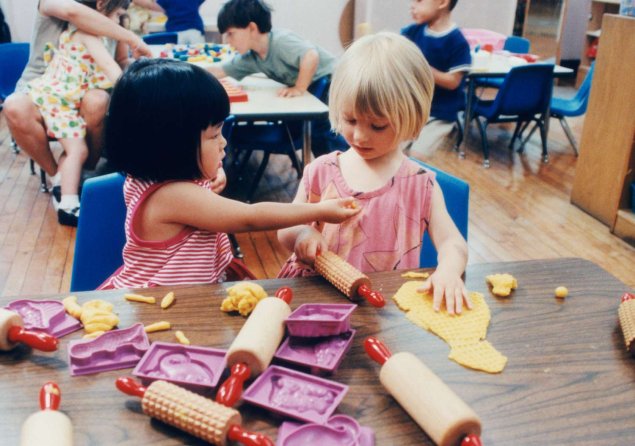
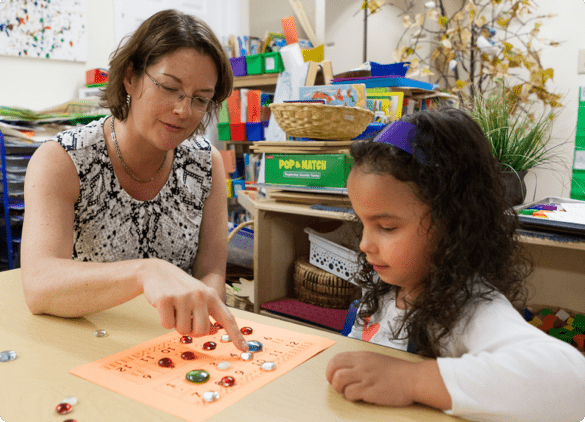
Fours and Fives learn best through their own play-by acting out stories and fairy tales, expressing themselves with visual art materials and manipulating clay, building blocks and math materials. This is an age when much learning is transmitted through the large muscles, when learning goes from the hand to the head, not the other way around. The implications for the classroom teacher are to minimize paper-and-pencil tasks and provide opportunities for imaginative play and movement throughout the classroom and outside.


This page was last updated on August 6, 2024