

Early Ed Milestones Link to this section
Dear Families,
SFUSD is committed to students developing key academic skills at each grade based on the California Common Core Standards. These grade-level “milestones” build on each other and prepare students for the next grade, college, career, and community life.
The milestones or goals cover what to prioritize to support all children in becoming proficient across content areas. The milestones do not cover all that students will learn.
We can use this resource to support children in the following ways:
Link to this section
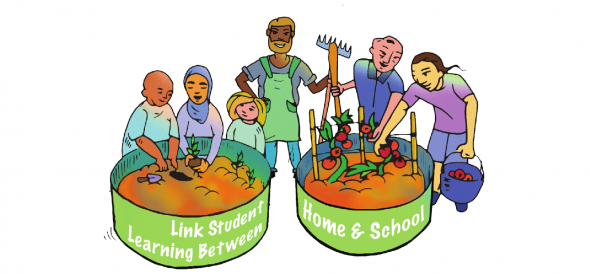
- Communicate goals and assess progress at home and school
- Use home extension activities to read, write, and do math together
- Guide Parent-Teacher Conferences (or student-parent-teacher conferences)
- Parents/Caregivers asking questions of teachers and looking for connections to the curriculum.
- Celebrate student progress!
Each Child is Unique
Each child will progress differently.
Your child may already know grade-level skills, learn new ones, or review last-grade skills to be proficient. Every child learns at their pace!
Children with Individual Education Programs (IEPs) or Section 504 Plans may need additional support.
During the team meetings, you can recommend goals and monitor the progress of your child's individual plan. Ask teachers or the principal if you have any questions or concerns.
Students still learning English will develop their language while learning grade-level content.
It can take up to six years for a child to become proficient in speaking, reading, and writing in English. You will receive a yearly report on your child's progress. Check with the family liaison, ELAC parents, teacher, or principal to understand the report and create goals for your child.
Parents as Partners
Talking to your child about their learning will help them.
You don’t have to know everything to support your child!! You can ask questions about books they are reading or teach them math the way you know it. This will help your child consider different ways of approaching a problem.
Literacy in your Home Language will support literacy in English.
Please read, write, and talk together in your home language. Share stories, legends, festivities, food, songs, art, pictures, and other aspects of your culture. Their identity, language skills, and pride will increase as they learn more!
Some literacy skills can be applied in other languages and some are specific to English.
Children can handle learning to speak and read in multiple languages! The goals for students enrolled in bilingual or dual language programs may look different in each language. Confusion is part of learning! Eventually, your child will handle two or three languages easily. Learning languages make their brains stronger and more flexible.
This page was last updated on May 13, 2024