

SFUSD's World of Dance
Link to this section
-
Importance of Education in the Art of Dance
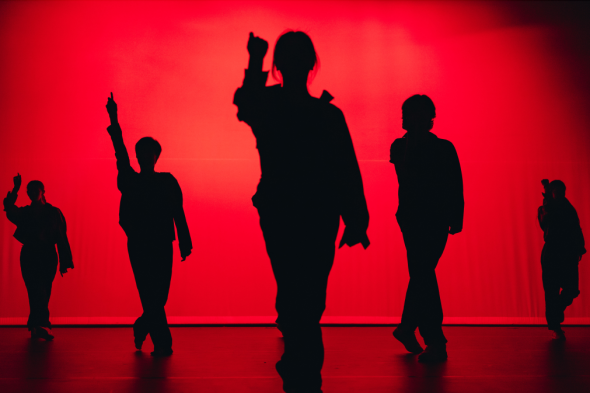
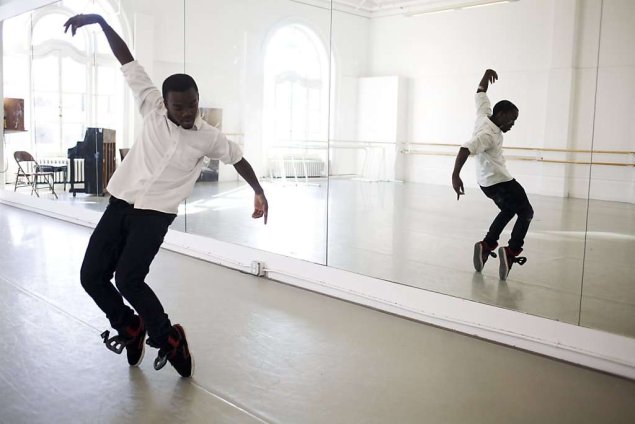
Education in the art of dance engages the artistic processes of creating, performing, and critical analysis. These processes require students to read symbol systems, use critical thinking skills, excel in nonverbal reasoning and communication, exchange ideas, work cooperatively and collaboratively with others, and interact within a multicultural society.
-
Research on Benefits of Dance
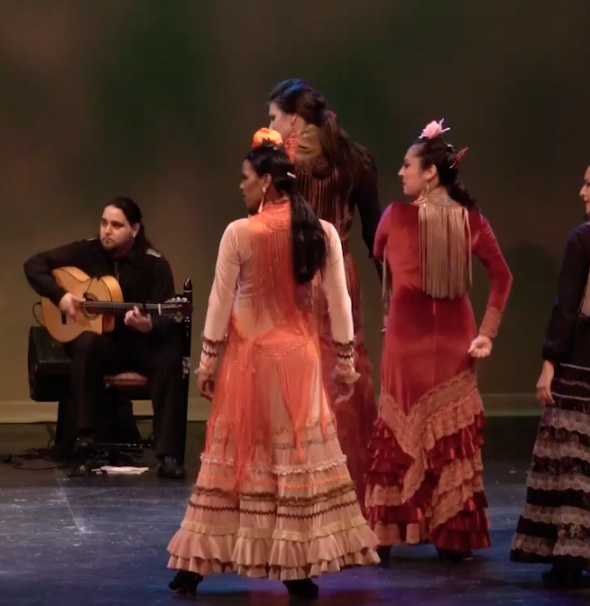
Arts research shows that students who study dance are more:
- Self-motivated, disciplined and focused in their everyday lives.
- Expressive in their communication of emotions, thoughts, and feelings.
- Creative and imaginative.
- Able to critically analyze their own work and the work of others.
-
SFUSD Dances Together Apart
Dance Teachers Karina Vela, Elizabeth Kimball, Shona Mitchell, Charlotte S. Moraga, Jamie Delodovici, Mershon Illgner - dance along with us to "Dancing in the Street" by Martha and the Vandellas
Dance in Our Schools Link to this section
Education in the art of dance engages the artistic processes of creating, performing, and critical analysis. These processes require students to read symbol systems, use critical thinking skills, excel in nonverbal reasoning and communication, exchange ideas, work cooperatively and collaboratively with others, and interact within a multicultural society. More comprehensively, education in the art of dance develops kinesthetic and spatial learning as well as intra- and interpersonal knowledge of self and others. SFUSD has dance classes and programs at many of its schools, see the Offerings section below.
The California dance standards are designed to enable students to achieve dance literacy. To be literate in the artistic discipline of dance, students need to develop specific knowledge, skills, and values that allow for fluency and deep understanding. This means discovering the expressive elements of dance; knowing the dance-based theory, terminology, and symbolic language that is used to comprehend dance; having a clear sense of embodying dance; and being able to reflect, critique, and connect personal experience to dance and the dance community.
Links to PK-12 Arts Discipline Pages Link to this section




This page was last updated on June 23, 2026