

Overview Link to this section
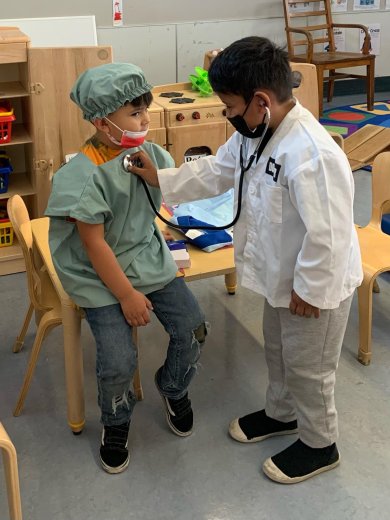
Preschool children have a limited understanding of the processes of cause and effect and how to prevent illnesses and injuries. It is important to keep this in mind when the preschool program identifies the developmentally appropriate health concepts, skills, and behaviors that young children can realistically be expected to master in the preschool years. Although preschool children’s ability to reason about health and illness may limit their ability to practice preventive health behaviors (which requires more advanced causal thinking), preschool is the time when children can establish the routine practices and habits that provide the groundwork for a healthy lifestyle. This is particularly true for nutrition, physical activity, oral health, and injury prevention.
Priority Standards Link to this section
What students will know, what students will do, and what thinking skills students will develop to apply and transfer Health understandings that endure within the discipline, leverage deeper understandings, and/or support readiness for success at the next grade level.
In pre-k, we focus on these critical areas:
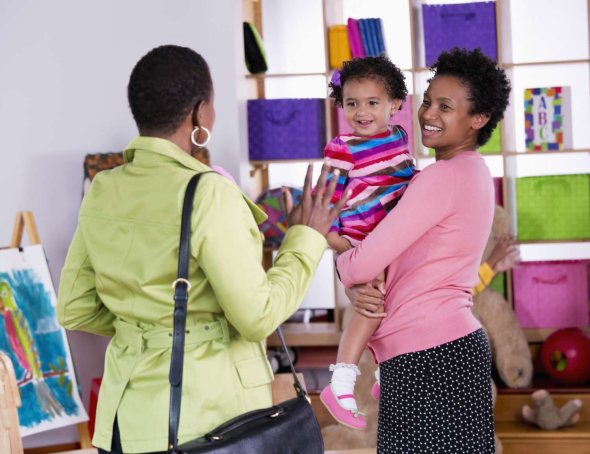
Children’s personal health (physical, mental, emotional) affects their ability to learn and develop in all domains.
Teachers observe children throughout the day and partner with families to ensure that health, nutritional, and other needs are met.
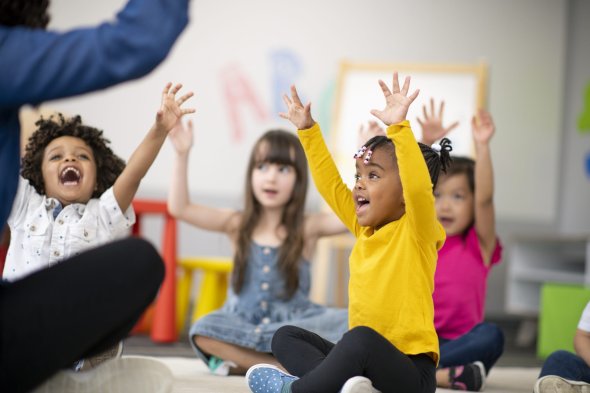
The overall theme of health education is personal health.
Children become aware of their bodies, respond to body cues and recognize differences in their bodies. Teachers can help children to accept differences, be comfortable with themselves and be respectful of others.
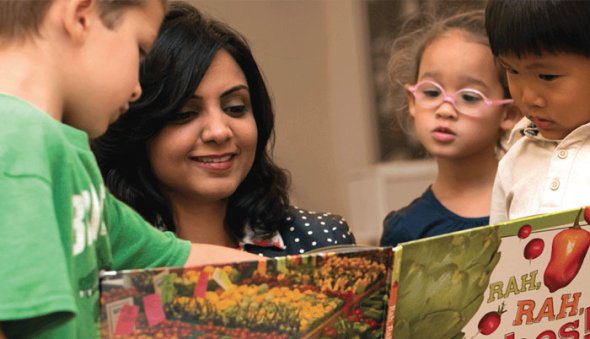
Teachers help children feel secure by assuring them that there are adults who will take care of them
As children grow and seek independence, they begin to understand the actions and behaviors necessary to be healthy and safe. Teachers encourage and respond to positive behaviors and the development of self-help skills by reinforcing positive choices made by the children.
Materials
Reflection Questions Link to this section
- How are students' developmental needs, communities, and experiences being reflected and honored, or how could they be?
- What opportunities do you see for developing equitable access & demand, inquiry, collaboration, and assessment for learning?
- What are the implications for your own practice? What strengths can you build upon? What will you do first?
Want more?
CA PTKLF Health - The Preschool/TK Learning Foundations (PTKLF) in the domain of Health describe the knowledge and skills that set the groundwork for young children to be healthy and develop into healthy adults. The foundations describe what children should know about health and what health and safety habits they can develop through daily routines in a supportive learning environment.
This page was last updated on May 2, 2025