

Overview Link to this section
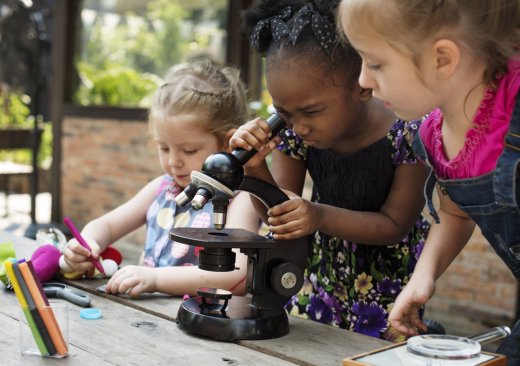
The study of science is about finding out how the world works. Young children, like scientists, have a sense of wonder and natural curiosity about objects and events in their environment. From infancy, they actively engage in making sense of their world. They build with blocks, move toy cars in different ways, collect rocks, and play with dirt, water, and sand. Children’s play and exploration have much in common with the scientific processes employed by scientists. Through exploration and experimentation with objects and materials in their home or preschool environment, children learn the properties of objects: size, weight, shape, what they are made of, their function, and how they move. They discover what different animals and plants look like and how they live, grow, and change over time. Everyday experiences provide children with many opportunities to ask questions, to make sense of what they observe, and to build a coherent understanding of the world around them.
Priority Standards Link to this section
What students will know, what students will do, and what thinking skills students will develop to apply and transfer History/Social Studies/Ethnic Studies understandings that endure within the discipline, leverage deeper understandings, and/or support readiness for success at the next grade level.
In pre-k, students focus on these critical areas:
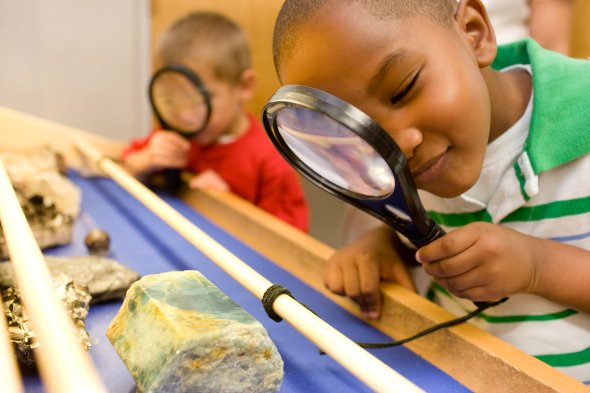
Observation and Investigation
Children demonstrate curiosity and an increased ability to raise questions about objects and events in the environment and use a variety of observation tools, compare and contrast objects, and demonstrate an increased ability to make predictions and inferences.
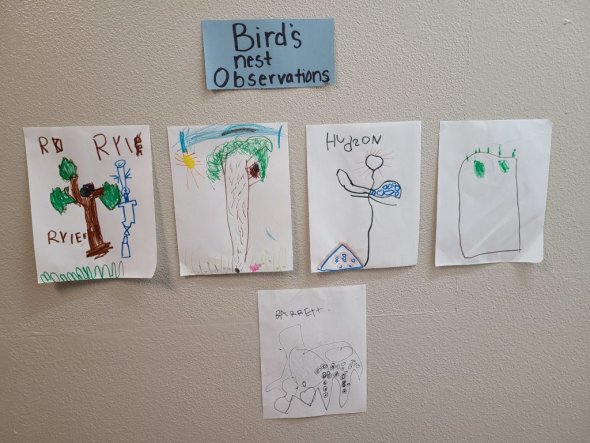
Documentation and Communication
Children record information in various ways, with adult assistance and share findings and explanations.
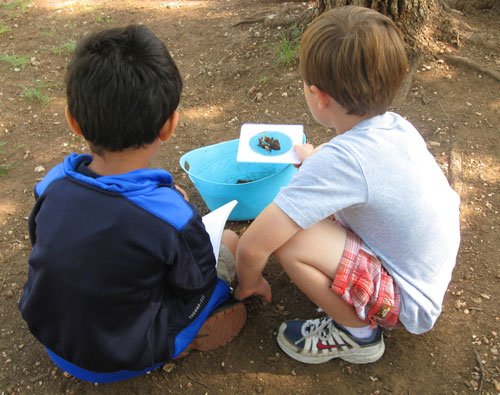
Physical Sciences
Preschools learn the properties and characteristics of nonliving objects and materials
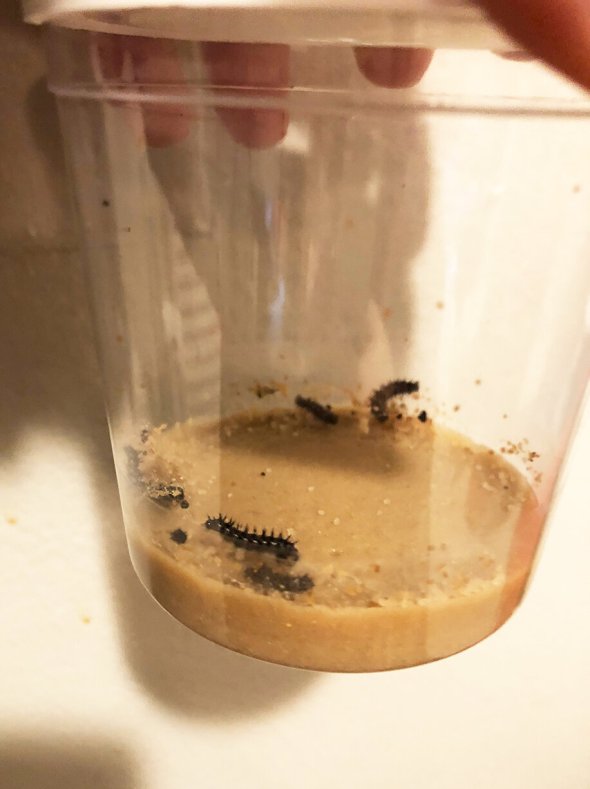
Life Sciences
Preschoolers learn the properties and characteristics of living things
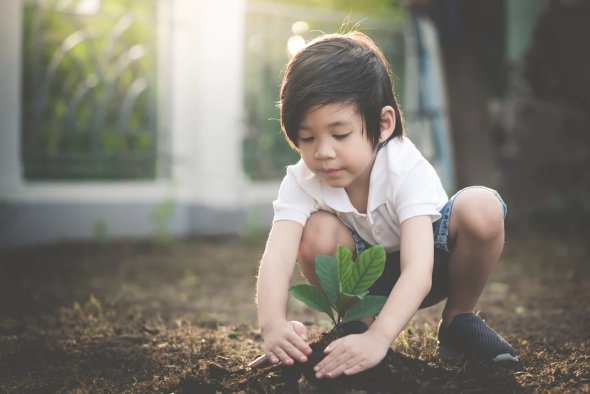
Earth Sciences
Preschoolers learn the properties and characteristics of earth materials and objects
Instruction: Signature Elements Link to this section
Below are signature elements of SFUSD Physical Education instruction that students should experience regularly throughout Pre-K as they develop as scientists.
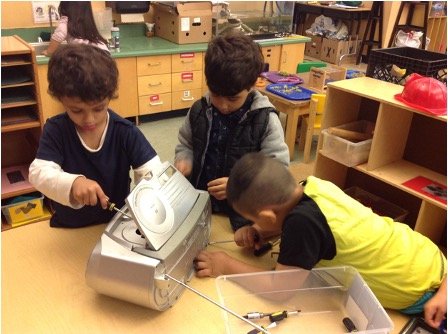
Tinkering
Tinkering is about the process of learning using a variety of materials and tools. While children might create amazing projects, the whole point of tinkering is to provide experiences that practice creative and critical thinking, problem-solving, collaboration and communication, observing, hypothesizing, experimenting, comparing and connecting previous knowledge to new ideas, to persevere, and use mistakes as a chance to discover something new. Along the way, children strengthen their motor skills, language, cognition, and social and emotional skills. When young children are trusted with real tools, given space, time, and support magical things happen!
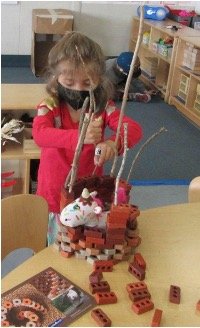
Loose Parts
Loose parts (are) alluring, beautiful found objects and materials that children can move, manipulate, control and change while they play. Children carry, combine, redesign, line up, take apart, and put back together in endless ways. The materials come with no specific set of directions and can be used alone or combined with other materials. These objects invite conversations and interactions, and they encourage collaboration and cooperation. Loose parts promote social competence and support creativity and innovation.
What does it look like? Link to this section
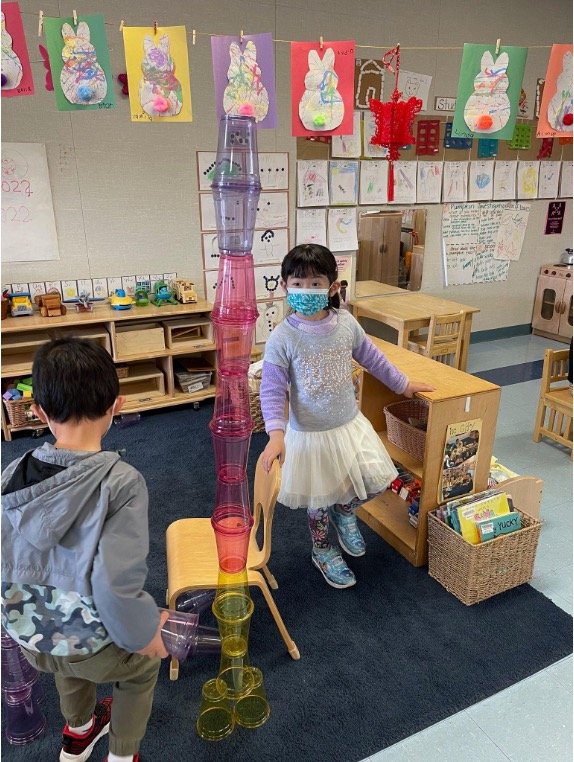
Tinkering at Guadalupe PK
Teacher Anna Law uses open ended materials with the children at Guadalupe Pre-K. You can see the children practicing creative and critical thinking, problem-solving, collaboration and communication, observing, hypothesizing, experimenting, comparing and connecting previous knowledge to new ideas, to persevere, and using mistakes as a chance to discover something new. This type of inquiry is scientific thinking.
Reflective Questions Link to this section
- How are students' developmental needs, communities, and experiences being reflected and honored, or how could they be?
- What opportunities do you see for developing equitable access & demand, inquiry, collaboration, and assessment for learning?
- What are the implications for your own practice? What strengths can you build upon? What will you do first?
Want more?
CA PTKLF Science - The Preschool/Transitional Kindergarten Learning Foundations (PTKLF) in the domain of Science describe the knowledge and skills that young children can develop and demonstrate in their daily learning experiences. The PTKLF provide guidance on the wide range of science and engineering knowledge and skills that children age three to five and a half typically attain when attending a high-quality early education program.
This page was last updated on May 2, 2025